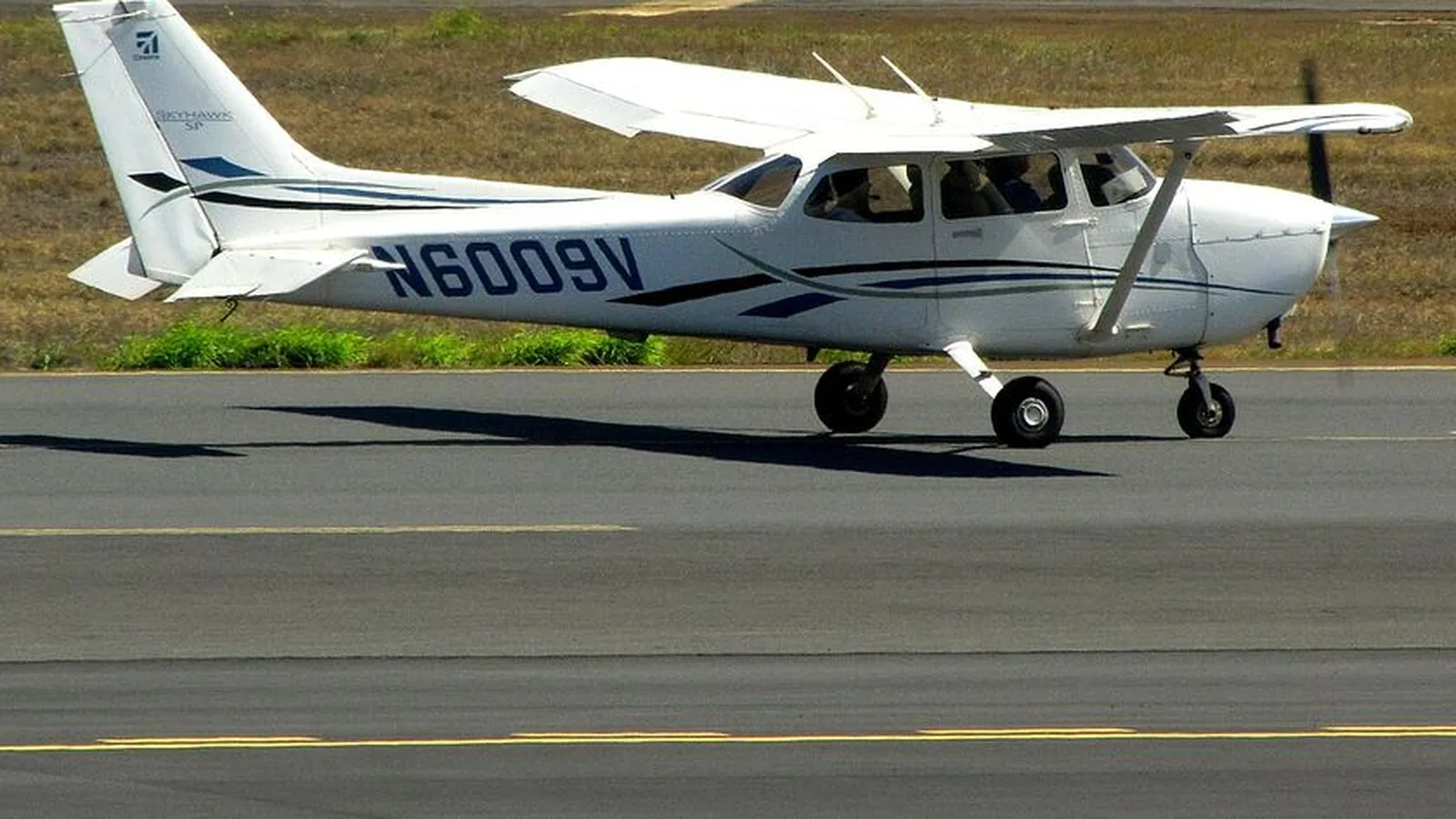
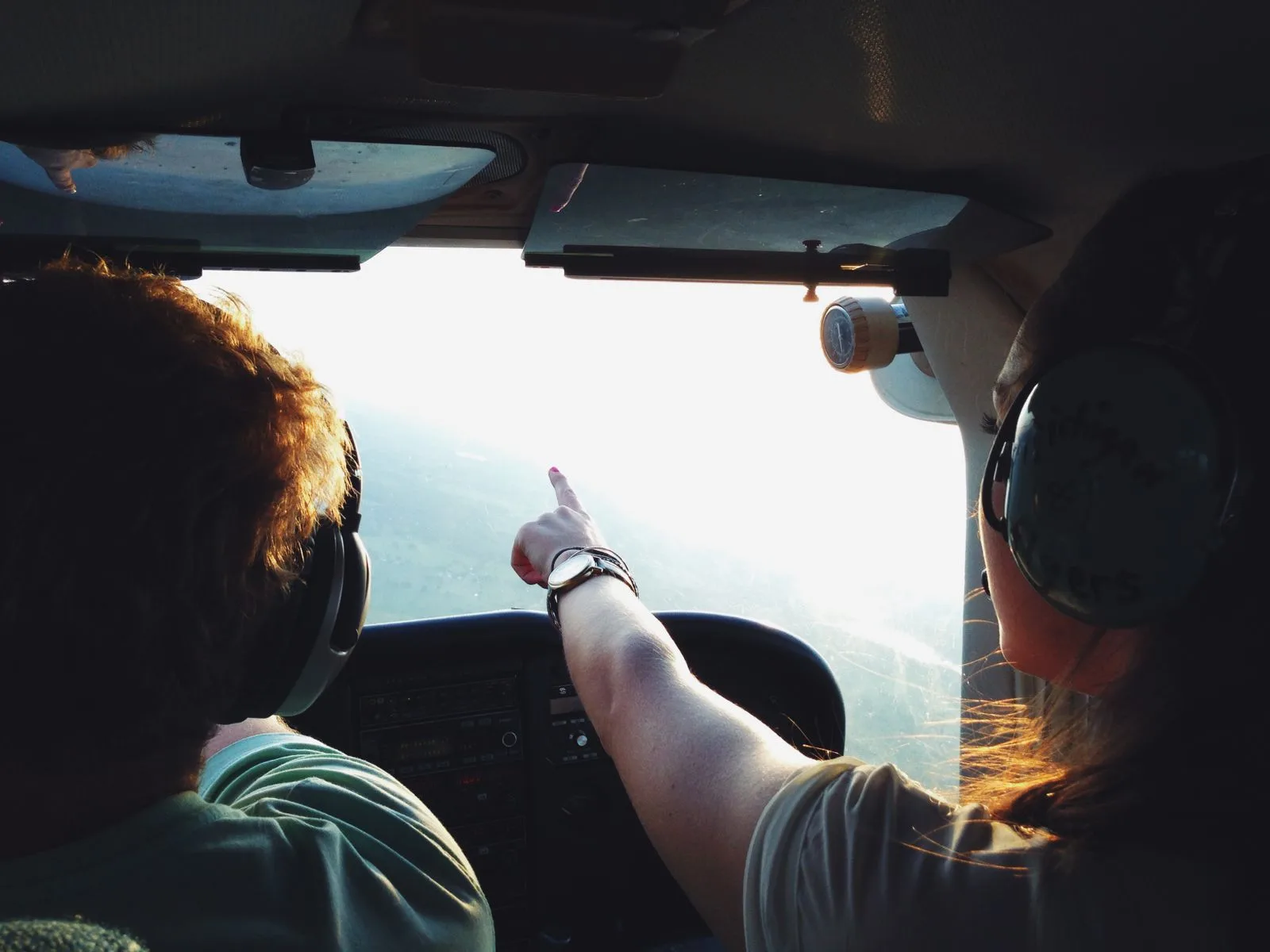
Quick answer: The private pilot checkride (US) and the PPL skill test (UK) are the final flight exams for your licence. In the US you fly with a Federal Aviation Administration (FAA) designated pilot examiner (DPE), who runs an oral exam and a flight against the Private Pilot Airman Certification Standards (ACS). In the UK you fly with a Civil Aviation Authority (CAA) flight examiner, who tests you in sections set out in CAA Standards Document 19(A). Either way, you pass by flying safely within published standards and showing sound judgement. A perfect flight isn’t required. Most of the work is done before the day: meet the eligibility rules, book early, fly mock tests and learn what the examiner is looking for.
Checkride questions come up again and again when student pilots post online: how to get a slot, what the examiner will ask, how to stop shaking, and what happens if it goes wrong. This guide brings it all together for both sides of the Atlantic, with every rule checked against FAA and CAA documents. Each section links to a more detailed guide if you want to go deeper.
Free download: our Checkride and Skills-Test Prep Checklist covers documents, aircraft paperwork and a week-by-week plan, in A4 and US Letter.
In this guide
- What the checkride or skill test is
- Eligibility: what you need before you book
- Booking an examiner
- What happens on the day
- The standards you fly to
- A four-week preparation plan
- What to bring
- Handling mistakes during the test
- After the test: pass, partial pass or fail
- FAQ
What the checkride or skill test is
Both tests check the same thing: can you act safely as pilot in command (PIC) without an instructor? The structure is different, so it helps to know which one you’re preparing for.
| US private pilot checkride | UK PPL(A) skill test | |
|---|---|---|
| Official name | Practical test | Skill test |
| Who tests you | FAA designated pilot examiner (DPE), or an FAA inspector | CAA-authorised flight examiner (FE) |
| Standard used | Private Pilot for Airplane Category ACS (FAA-S-ACS-6C, effective 31 May 2024) | CAA Standards Document 19(A), Version 10, April 2026 |
| Format | Ground (oral) exam, then the flight | Briefing and planning, then a flight covering sections 1 to 5 |
| How it is scored | Pass all 12 Areas of Operation; failing any one fails the test | Pass every section; failing one section is a partial pass, failing more than one is a fail |
| Typical length | Not fixed; ask your examiner | The CAA says up to half a day, including briefing and debrief |
In the US, the ACS is part of the regulations. Since 31 May 2024 the ACS has been incorporated by reference into 14 CFR Part 61, so the tolerances in it carry the full force of the rules. In the UK, Standards Document 19(A) is the CAA’s guidance for applicants and examiners, and its tolerances are described as guidance rather than automatic fail points.
Eligibility: what you need before you book
United States
Under 14 CFR 61.39, you need all of these before a private pilot practical test:
- A pass in the FAA private pilot knowledge test within the 24 calendar months before the month you take the checkride, and the test report with you.
- The training and flight experience required for the certificate (for the private pilot certificate, 14 CFR 61.109 sets a minimum of 40 hours).
- A medical certificate where one is required (at least third class).
- The minimum age for the certificate (17 for a private pilot certificate in an aeroplane).
- An instructor endorsement confirming you trained within the 2 calendar months before the month of application, you’re ready for the test, and you’ve covered the subjects you got wrong on the knowledge test.
- A completed application, normally done online in the FAA’s Integrated Airman Certification and Rating Application (IACRA) system.
United Kingdom
For the UK PPL(A), the CAA requires:
- A pass in all nine theory exams before the skill test. Your passes are valid for 24 months from the date of your last exam, and you must finish training, pass the skill test and apply within that time.
- A course completion certificate and recommendation for test from your training organisation.
- A valid Part-MED Class 1 or Class 2 medical certificate.
- Instruction on the same type or class of aircraft you’ll use in the test.
- A test date within 6 months of completing your training.
Still working through the exams? Our guide to PPL theory exams and the FAA knowledge test covers the rules and a study plan.
Our guide to how to become a private pilot covers the full route from first lesson to licence, and how much flying lessons cost shows where the checkride fits in your budget.
Booking an examiner
US: start early, because examiner slots are scarce
Waiting for a DPE is a common frustration in US flight training. An Embry-Riddle Aeronautical University (ERAU) survey published in 2026 found that flight schools reported an average wait of 5.1 weeks between scheduling and taking a checkride, while examiners estimated 3.1 weeks. 91% of flight schools said examiner availability was a problem, up from 84% in 2022. The FAA told Congress it doesn’t track wait times, because applicants book and pay DPEs directly. DPEs also set their own fees, so prices vary from area to area.
What helps:
- Start booking a few weeks before you expect to be ready, not on the day you finish. The FAA says applicants contact and book a DPE of their choice directly, though many schools arrange it for their students.
- Get your IACRA application and logbook endorsements checked early. The FAA’s report to Congress says about 10,000 practical tests a year are lost to avoidable cancellations, including applicants who don’t meet the requirements on the day.
- Don’t book with several examiners at once and cancel late. The FAA names this as one of the causes of lost slots.
- Agree a weather back-up date. Ask how the examiner handles weather cancellations and part-completed tests.
UK: your training organisation usually arranges it
In the UK, your flying school or club normally books a flight examiner for you once your instructor recommends you for test. Ask early which examiner it will be and what they charge, and allow for weather. The skill test is flown under Visual Flight Rules (VFR), and the CAA says the flight shouldn’t go ahead if the forecast won’t allow all the planned sections or a return to base.
Still choosing where to train? Our flight school hub lists schools and clubs by area in the UK and US, so you can ask each one how its students get examiner slots.
What happens on the day
US checkride
The DPE checks your identification, documents, endorsements and the aircraft records first. Then comes the oral exam, usually built around a cross-country flight you planned in advance. The flight follows. The ACS lists 12 Areas of Operation. Those for a single-engine landplane are:
- Preflight preparation
- Preflight procedures
- Airport and seaplane base operations
- Takeoffs, landings and go-arounds
- Performance and ground reference manoeuvres
- Navigation
- Slow flight and stalls
- Basic instrument manoeuvres
- Emergency operations
- Multiengine operations (multi-engine applicants only)
- Night operations
- Postflight procedures
Our guide to the private pilot oral exam explains how to turn the ACS into a study plan for the ground portion.
UK skill test
Standards Document 19(A) describes about 2 hours of briefing and planning, an en-route section of about 1 hour 30 minutes, and up to an hour for general airwork, emergencies and landings. The examiner usually gives you a navigation route of two legs, each lasting 15 to 25 minutes. The route normally goes through controlled airspace or a military or aerodrome traffic zone. The single-engine sections are:
- Section 1: pre-flight operations and departure.
- Section 2: general airwork (climbing, turns, steep turns, slow flight, stalls, descents).
- Section 3: en-route procedures (dead reckoning, a diversion, radio navigation and a 180° turn in simulated instrument conditions).
- Section 4: approach and landing procedures (including flapless and glide approaches and a go-around).
- Section 5: abnormal and emergency procedures (simulated engine failure after take-off, forced and precautionary landings, oral questions).
Our UK PPL skill test guide goes through each section in detail.
The standards you fly to
Knowing the numbers takes away a lot of the fear. Here is a sample:
| Manoeuvre | US ACS (FAA-S-ACS-6C) | UK guidance (Standards Document 19(A), Appendix 2) |
|---|---|---|
| Steep turn | About 45° of bank; altitude ±100 ft, airspeed ±10 kt, bank ±5°, roll out ±10° of entry heading | At least 45° of bank through at least 360°; general limits below apply |
| Slow flight | Altitude ±100 ft, heading ±10°, airspeed +10/−0 kt | General limits apply |
| Traffic pattern | Pattern altitude ±100 ft, airspeed ±10 kt | General limits apply |
| General limits | Set task by task | Height 150 ft, heading 10°, tracking ±10°, cruise speed 15 kt |
The CAA notes that its limits are guidance and that going outside one doesn’t automatically mean a fail. Examiners allow for turbulence and the aircraft you’re flying. In the US, 14 CFR 61.43 says you must perform each task within the approved standards and show sound judgement. In both countries, spotting a drift and correcting it promptly matters more than flying perfectly.
A four-week preparation plan
This is the plan we suggest. Your instructor knows your weak spots, so adjust it with them.
| When | Focus |
|---|---|
| 4 weeks out | Book the test (or ask your school to). Check every eligibility item above. In the US, review the subjects listed on your knowledge test report. |
| 3 weeks out | Fly the full test profile with your instructor. Write down every manoeuvre that isn’t yet consistently within limits. |
| 2 weeks out | Fly a mock test with a different instructor if you can, so the pressure feels new. Practise the oral or the UK oral questions out loud. |
| Final week | Fly short sessions on the weakest items only. Plan the route, sort your documents and pack your flight bag. Sleep and eat normally. |
| Day before | Light review, weather check, an early night. No cramming. |
If nerves are your biggest worry, our guide to checkride nerves collects the stress advice from the CAA and from an examiner writing for the Aircraft Owners and Pilots Association (AOPA).
What to bring
US (from the FAA ACS Companion Guide applicant checklist)
- Government-issued photo ID, your pilot (student) certificate, and your medical certificate or BasicMed qualification where it applies to you.
- Your completed IACRA application, knowledge test report and logbook with instructor endorsements.
- Aircraft documents: airworthiness certificate, registration and operating limitations, plus maintenance records showing inspections and airworthiness directive (AD) compliance, and the Pilot’s Operating Handbook (POH).
- A view-limiting device, current charts, a flight computer and plotter, a flight plan and navigation log, the Chart Supplement and the Aeronautical Information Manual (AIM). These can be printed or electronic.
- A Notice of Disapproval or Letter of Discontinuance if this is a retest.
UK (from Standards Document 19(A))
- Training records and your personal logbook.
- Your medical certificate, photo ID, course completion certificate and recommendation for test, and evidence of your theory exam passes.
- Current aircraft documents.
- Two headsets (the examiner may bring their own) and two copies of the aircraft checklist.
- A view-limiting device, current publications, a blank flight log, chart and navigation equipment. A moving map is allowed as a back-up, but you are assessed on dead-reckoning navigation.
A tidy flight bag saves time on the day. Our student pilot gear checklist covers what to pack.
Handling mistakes during the test
Small errors are normal on test day. What matters is what happens next.
- Say it, fix it. If you’re 100 ft low in a steep turn, say so and correct it. Silence leaves the examiner wondering whether you noticed.
- Take your time. Set up properly for each manoeuvre. Rushing is how checks get missed.
- Make real decisions. If the weather isn’t good enough, saying no is good airmanship. The CAA says the flight shouldn’t go ahead if the forecast won’t allow the planned sections or a return to base.
- Don’t guess on the ground. If you don’t know an answer, say where you would look it up.
After the test: pass, partial pass or fail
US pass: the examiner issues a temporary certificate, valid for up to 120 days until your permanent certificate arrives (14 CFR 61.17).
UK pass: your training organisation helps you apply to the CAA for the licence.
If it doesn’t go to plan: the rules are built to help you finish. In the US, you keep credit for the Areas of Operation you passed if you complete the retest within 60 days, after more training and a new instructor endorsement. In the UK, failing one section is a partial pass, so you only retake that section. Our guide on what to do if you fail your checkride explains both systems step by step.
FAQ
How long does a private pilot checkride take?
There’s no fixed length in the US. The oral and the flight together usually take several hours, depending on the examiner, the weather and how the flight goes. The CAA says the UK skill test, including briefing and debrief, can take up to half a day.
Can I use an electronic flight bag or moving map?
In the US, the FAA applicant checklist allows charts and publications in printed or electronic form. In the UK, the CAA allows a moving map display, but only as a back-up. You’re assessed on dead-reckoning navigation, and the examiner checks the device and its database.
What happens if the weather is bad on the day?
In the US, the examiner can stop the test for weather and issue a Letter of Discontinuance. You keep credit for the areas already passed if you finish within 60 days. In the UK, the flight shouldn’t go ahead if the forecast won’t allow all the planned sections. Sections that can’t be completed can be flown later as an incomplete test.
Do I need to pass the theory or knowledge test first?
Yes. In the US, you need a pass in the knowledge test within the previous 24 calendar months. In the UK, you must pass all nine theory exams before the skill test, and they stay valid for 24 months from your last pass.
Is the examiner trying to fail me?
No. Examiners test against published standards. In the UK, the CAA tells examiners to give a fair, unbiased debrief based on facts. If you fly within the standards and make safe decisions, you pass.
Pilot licence rules vary by country. This guide covers the UK (CAA) and the US (FAA). If you train anywhere else, check the requirements with your national aviation authority.
Sources
- FAA: Airman Certification Standards (current versions)
- FAA: Private Pilot for Airplane Category ACS (FAA-S-ACS-6C)
- FAA: ACS Companion Guide for Pilots (FAA-G-ACS-2), Section 7 applicant checklist
- eCFR: 14 CFR 61.39, prerequisites for practical tests
- eCFR: 14 CFR 61.43, practical tests: general procedures
- eCFR: 14 CFR 61.17, temporary certificate
- eCFR: 14 CFR 61.103 and 61.109, private pilot eligibility and experience
- FAA: Report to Congress on Designated Pilot Examiners (Section 833)
- ERAU: Designated Pilot Examiner System Study (IJAAA, 2026)
- UK CAA: Standards Document 19(A), PPL Skill Test (Aeroplanes), Version 10
- UK CAA: Private pilot licence for aeroplanes
- UK CAA: Practical skill test
- AOPA: Checkride 101, High anxiety (July 2026)
Further reading
- Checkride nerves: how to stay calm on test day
- Private pilot oral exam: how to prepare using the ACS
- Failed your checkride? What happens next
- UK PPL skill test explained
- PPL theory exams and the FAA knowledge test
- How to become a private pilot
- What it’s like to train for a PPL in the UK
- Aviation events calendar
The Aviatorfinds Team
Rules checked against FAA, eCFR and CAA documents on 17 November 2026. The four-week plan is our own suggestion, not an official requirement. Wait-time figures come from the ERAU survey and are averages, so your local wait may be shorter or longer.
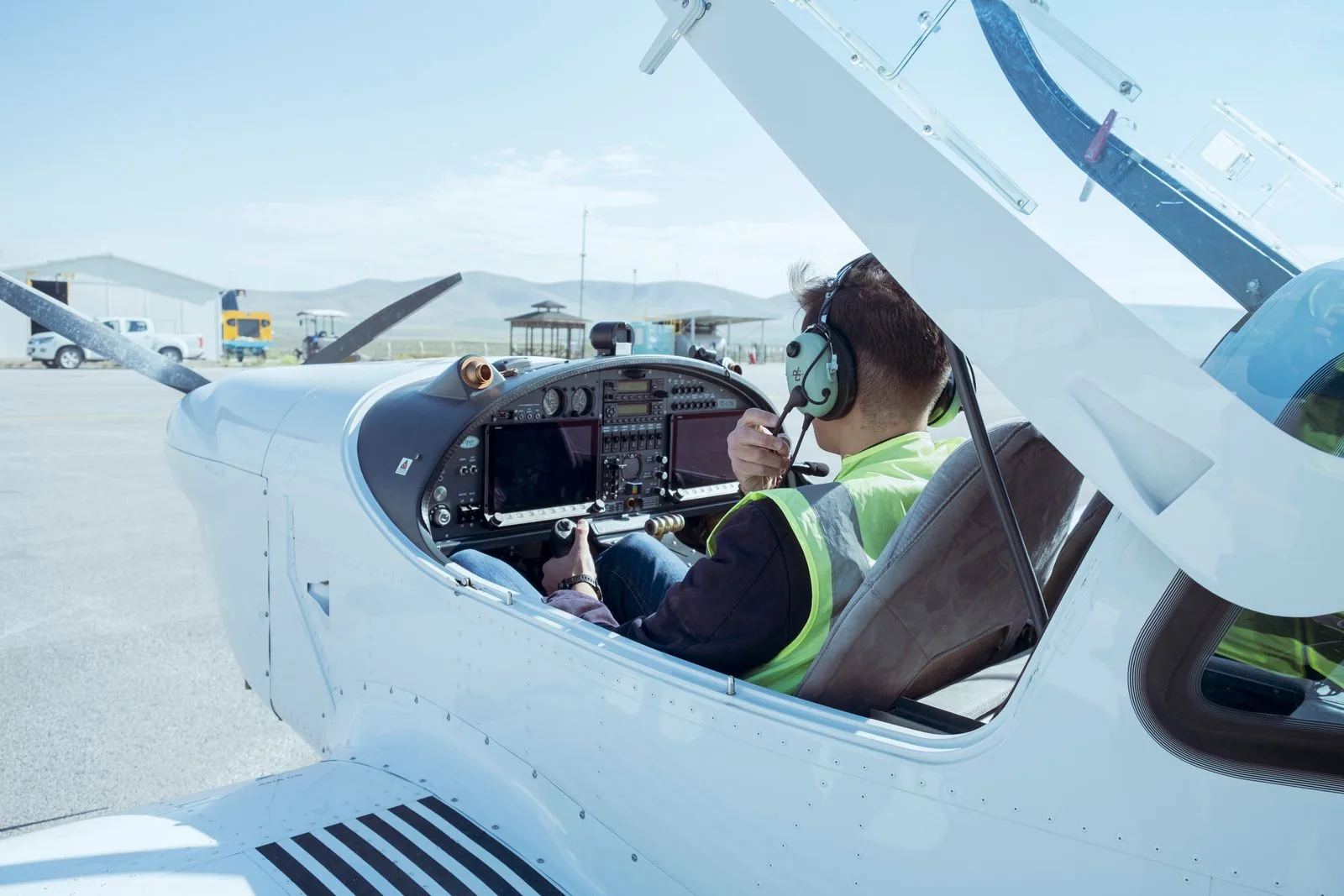
Photo: “Pilot Sitting in Airplane Cockpit” by Necati Ömer Karpuzoğlu on Pexels (Pexels Licence).