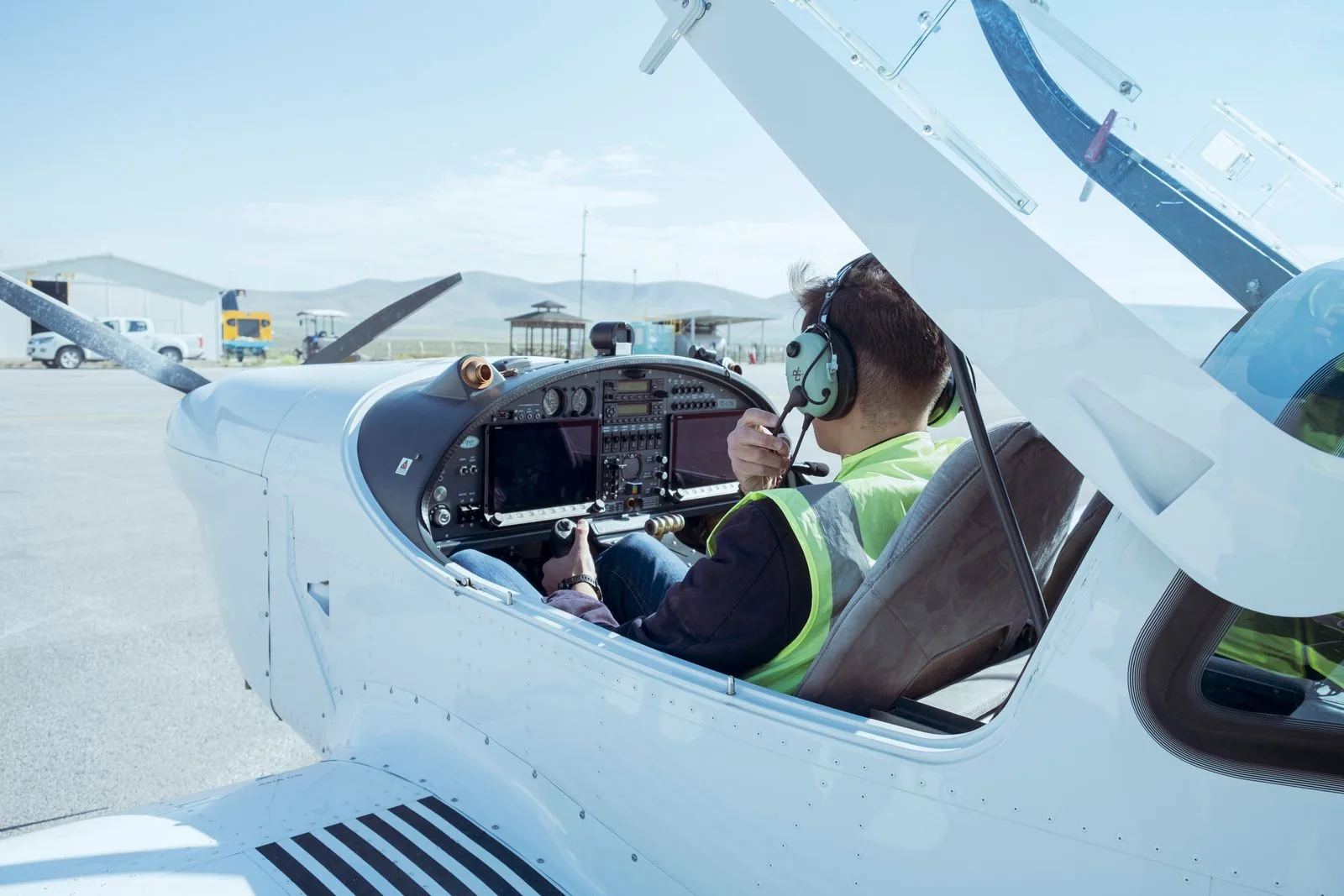
Quick answer: Some nerves before a checkride or skill test are normal, and a little stress can sharpen you. To keep it at a helpful level, prepare so the test feels familiar, sleep and eat normally, avoid extra caffeine, exercise the day before and on the morning, and arrive early. If you blank, slow down and say where you would look the answer up. The UK Civil Aviation Authority (CAA) reminds applicants that no test demands a perfect performance.
Test-day nerves are one of the commonest worries student pilots share online, and they catch out well-prepared pilots too. This guide pulls together practical advice from the CAA’s own guidance for skill test applicants and from a US designated pilot examiner writing for the Aircraft Owners and Pilots Association (AOPA). It is part of our complete guide to passing the private pilot checkride or PPL skill test.
Why nerves hit so hard on test day
The CAA puts it simply in Standards Document 19(A): a certain amount of stress is helpful, but too much affects memory and concentration. Even the word “test” can cause panic and doubt. A checkride stacks several stresses together: an unfamiliar person in the right seat, money already spent, and often a long wait for the slot. Knowing that this is a normal reaction, and not a sign you’re unready, takes some of the sting out of it.
In the weeks before: make the test feel familiar
- Know the standard. Read the US Airman Certification Standards (ACS) or the CAA’s Standards Document 19(A) yourself. Fear grows when you don’t know what “good enough” looks like. Our table of checkride tolerances is a quick start.
- Fly a mock test with someone new. A stage check or mock test with a different instructor gets you used to flying in front of a stranger. If you feel unsure, it’s worth booking a second opinion.
- Rehearse out loud. Talk through each manoeuvre and each oral topic as if the examiner were listening. Our private pilot oral exam guide shows how.
- Chair fly. Sit at home with the checklist and run the whole flight in your head, including the radio calls. It costs nothing and builds the sequence into memory.
- Don’t test just because money is tight. The CAA says this directly. Going in before you’re ready adds pressure and can cost more in the end.
The day before: look after the basics
An AOPA examiner compares stress to a bucket. Late-night cramming, fast food and no exercise fill it before you arrive, and then one hard question makes it overflow. The CAA gives very similar advice:
- Eat regularly. Skipping a meal can affect your blood sugar and concentration.
- Don’t add caffeine. The CAA warns that more tea, coffee or energy drinks can raise stress rather than help.
- Exercise. Exercise the day before and on the day of the test reduces stress and helps you sleep.
- Sleep normally. Keep to your usual bedtime rather than staying up to revise.
- Pack the night before. Documents, headset, charts, checklist and a view-limiting device. Our free Checkride and Skills-Test Prep Checklist lists everything.
On the morning: arrive early and keep it calm
- Be early. The AOPA examiner suggests arriving 30 minutes early, finding the room, then relaxing in the lobby. Rushing in late raises your stress before you start.
- Avoid “panic talk”. The same examiner advises against telling everyone how nervous you are. It doesn’t make you feel better, and it can make an examiner wonder whether you’re ready.
- Clear the rest of the day. The CAA asks whether it’s sensible to book a flight home straight after your test. Leave space in case the weather or the aircraft causes delays.
- Use a distraction if you need one. The CAA suggests a vigorous walk around the car park, or a detailed task to refocus your mind, such as counting red things in the room.
During the test: what to do when your mind goes blank
- Pause. There’s no prize for answering quickly. A few seconds of thought looks like good judgement.
- Say where you’d look. In the US oral, saying where you’d find the answer, such as the Pilot’s Operating Handbook (POH) or the Aeronautical Information Manual (AIM), is better than guessing.
- Fly the aircraft first. The CAA advises prioritising. Leaving a minor task until later is better than rushing an important one.
- Name your errors. If you drift off altitude, say so and correct it. Examiners want to see that you notice and fix problems.
- Ask ATC for what you need. The CAA suggests telling the air traffic service unit (ATSU) what you want to do, and avoiding extra radio work when you’re busy.
- Let one mistake go. One poor landing doesn’t decide the test. Reset and fly the next task well.
If nerves are linked to something bigger
If anxiety is affecting your sleep, health or day-to-day life, talk to your instructor and consider a short break from training. The CAA suggests a break if, for example, family pressures are mounting. If you think a health issue might affect your medical, speak to an aviation medical examiner before you make any decisions. Our guide to choosing an aviation headset may help too, as clear audio makes radio work easier.
FAQ
Is it normal to be nervous before a checkride?
Yes. The CAA’s own guidance says some stress is helpful and only becomes a problem when it is too high. Examiners are used to nervous applicants.
Should I tell the examiner I’m nervous?
A brief, honest comment is fine. The AOPA examiner’s advice is to avoid going on about it, because it isn’t positive self-talk and it can make the examiner wonder whether you’re prepared.
Can I take something to calm my nerves?
Check with an aviation medical examiner before taking any medicine, including over-the-counter products, before flying. Some medicines aren’t compatible with flying.
What if I make a mistake early in the test?
Correct it, say what you did, and carry on. In the UK, failing one section is a partial pass, so you only retake that section. In the US, you keep credit for the areas you passed if you finish within 60 days. Our guide on what happens if you fail a checkride explains more.
Sources
- UK CAA: Standards Document 19(A), Appendix 3, Skill Tests – Managing Stress
- AOPA: Checkride 101, High anxiety (July 2026)
- FAA: Private Pilot for Airplane Category ACS (FAA-S-ACS-6C)
- eCFR: 14 CFR 61.43, practical tests: general procedures
Further reading
- How to pass your private pilot checkride or PPL skill test
- Private pilot oral exam: how to prepare using the ACS
- UK PPL skill test explained
- Failed your checkride? What happens next
The Aviatorfinds Team
Advice checked against CAA Standards Document 19(A) (Version 10, April 2026) and AOPA on 17 November 2026. This article is general guidance, not medical advice.
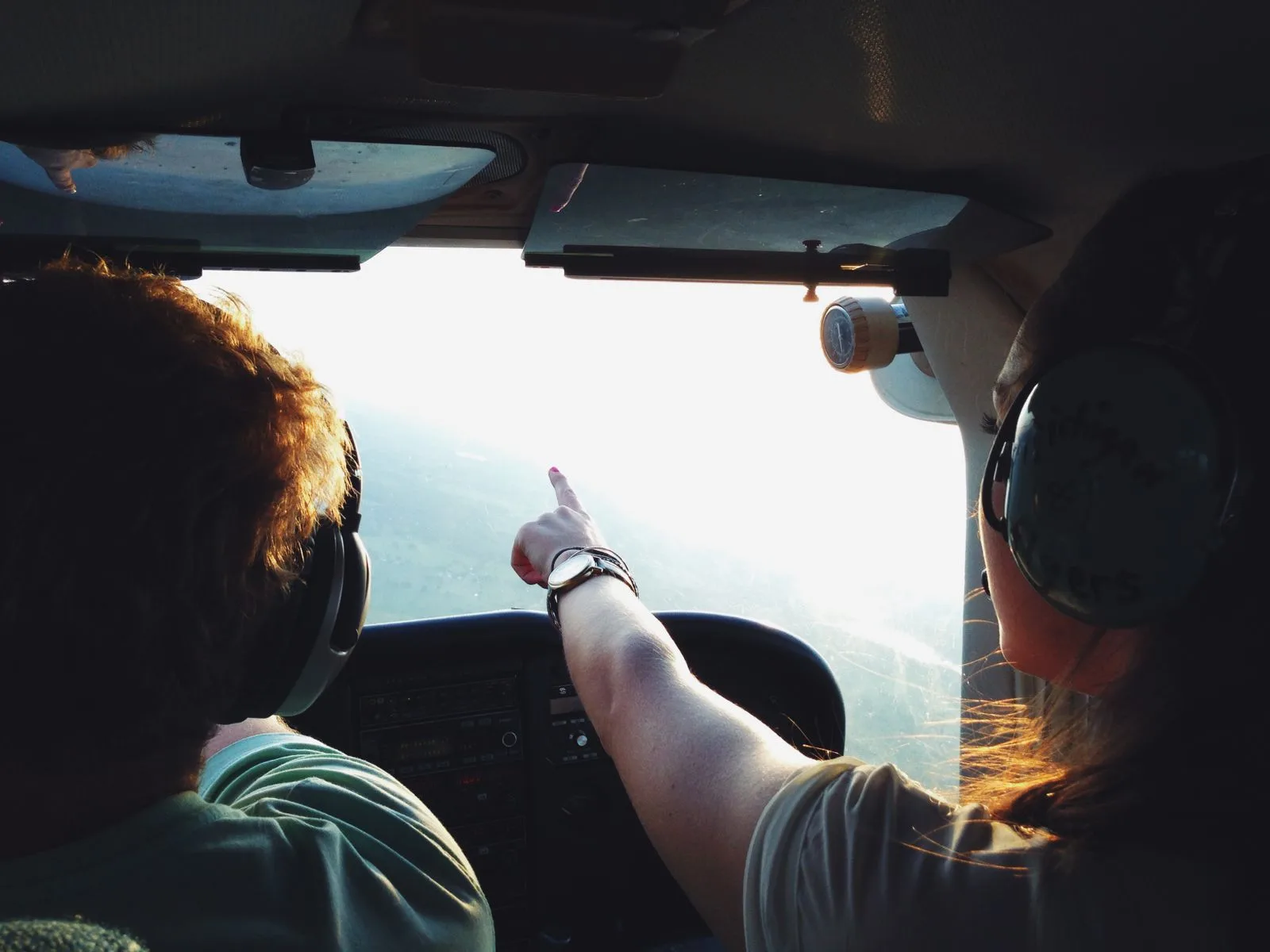
Photo: “Persons on Aircraft Pointing on View during Daytime” by Snapwire on Pexels (Pexels Licence).