Advertisement – Recommended Aviation Gear

For twenty years the American sport pilot certificate meant one thing: a small, slow, two-seat light-sport aircraft. That changed on 22 October 2025, when the first half of the FAA’s MOSAIC rule took effect. The second half followed on 24 July 2026. Together they are the biggest shake-up of US light aviation since sport pilot was created in 2004. If you fly in the US, plan to train there, or own or are thinking of buying a US-built light aircraft, this is what has actually changed. If you are just starting out, begin with our guide on how to become a private pilot.
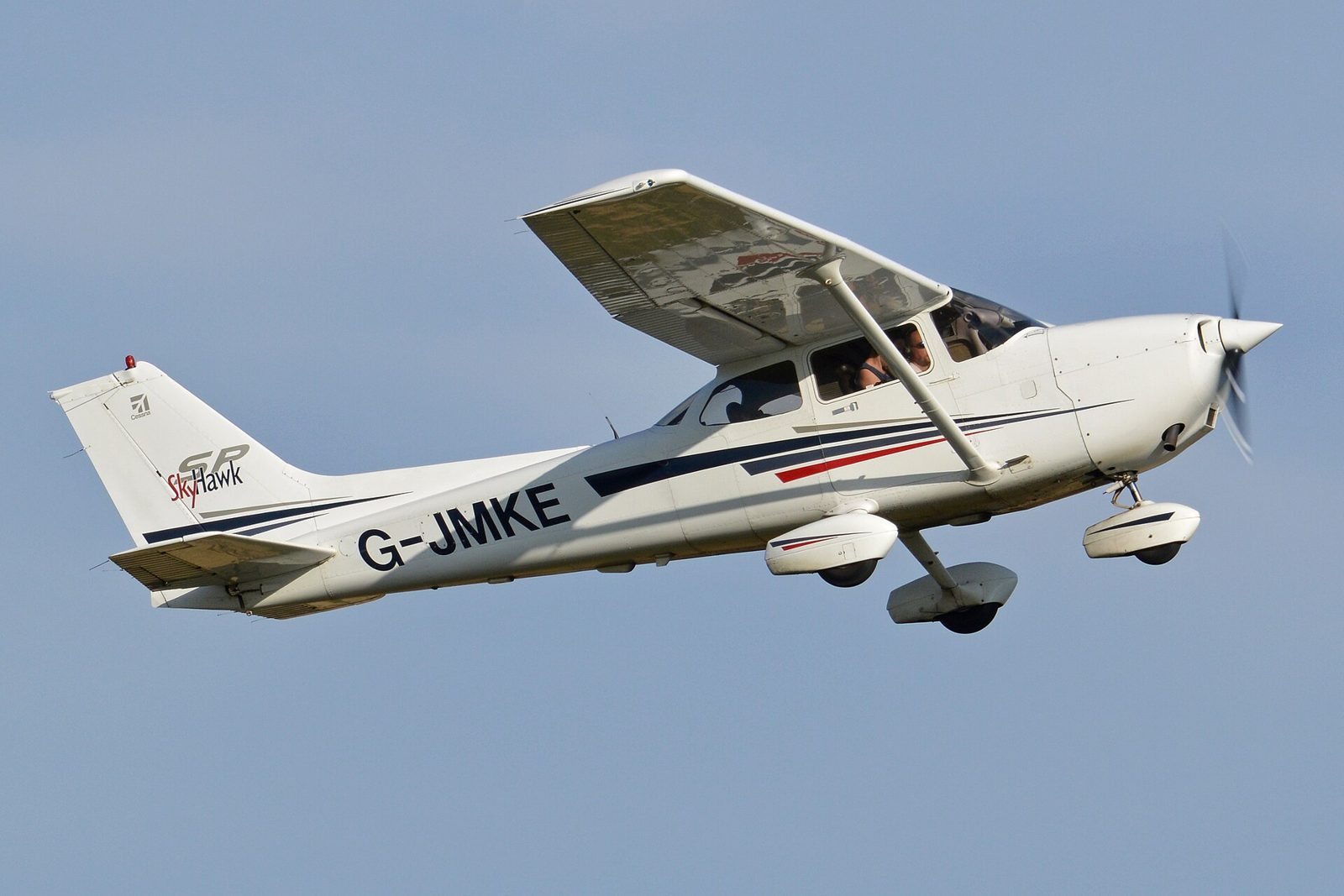
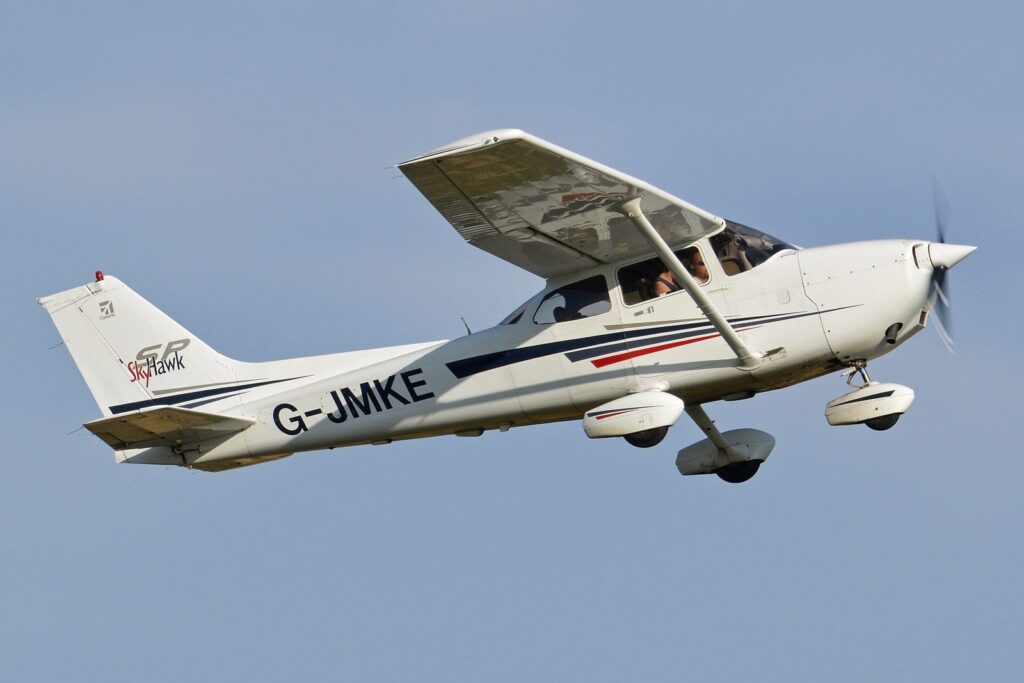
Quick answer. Since 22 October 2025, a US sport pilot can fly an aeroplane with up to four seats, as long as its clean stall speed (VS1) is no more than 59 knots calibrated airspeed. That brings the Cessna 172 and most Piper PA-28s within reach. A sport pilot can still carry only one passenger, and for day flying a valid US driver’s licence still takes the place of a medical.
What is MOSAIC?
MOSAIC stands for Modernization of Special Airworthiness Certification. The final rule was published in the Federal Register on 24 July 2025. It rewrites the rules for how light-sport aircraft are designed, built, certificated, maintained and flown, and it widens what a sport pilot is allowed to fly. The FAA’s own summary is on its MOSAIC page.
It came in two phases:
- 22 October 2025: sport pilot certification and privileges, light-sport repairmen and maintenance of light-sport aircraft.
- 24 July 2026: certification of new light-sport category aircraft, including a new Part 22 and the removal of the old “light-sport aircraft” definition from the rules.
What sport pilots can fly now
The old limits were based on weight: 1,320 lb maximum take-off weight (1,430 lb on floats), two seats and a top speed of 120 knots. MOSAIC throws out the weight limit and uses stall speed instead. Under the new 14 CFR 61.316, a sport pilot can fly an aeroplane with a clean (flaps-up) stall speed, VS1, of no more than 59 knots calibrated airspeed, at maximum take-off weight and the most critical centre of gravity.
| Before MOSAIC | Since 22 October 2025 | |
|---|---|---|
| What limits the aircraft | Max take-off weight 1,320 lb (1,430 lb seaplane) | Clean stall speed (VS1) of 59 KCAS or less for aeroplanes |
| Seats | 2 | Up to 4 in an aeroplane |
| People on board | Pilot + 1 passenger | Still pilot + 1 passenger |
| Landing gear and propeller | Fixed gear, fixed or ground-adjustable prop | Retractable gear and manual controllable-pitch props allowed with extra training and an endorsement |
| Night flying | Not allowed | Allowed with training, an endorsement and BasicMed or an FAA medical |
| Helicopters | Not allowed | Allowed, but only light-sport helicopters with the simplified flight controls designation |
| Medical | US driver’s licence | US driver’s licence for day flying, as before |
Some limits haven’t changed. 14 CFR 61.315 still rules out more than one passenger, flying for hire, Class A airspace, flight above 10,000 ft MSL or 2,000 ft AGL (whichever is higher), and visibility below 3 statute miles. Controlled airspace and towered airports still need the training and endorsement in 61.325.
Does a Cessna 172 qualify?
For most people, yes, and this is the change that matters most. AOPA’s updated guidance says sport pilots can now fly most single-engine four-seaters in service, including the Cessna 172 and 182 and most of the Piper PA-28 series. Piper gave AOPA calibrated stall speeds for its whole range. Nearly every Piper with up to four seats is inside the limit, up to the PA-24-180 Comanche 180 at 58.2 KCAS. The PA-28-235 Cherokee 235 just misses it at 60.8 KCAS.
Faster, heavier types are still out of reach. AOPA puts the Cirrus SR22’s clean stall at 69 to 74 knots and the Beechcraft Bonanza’s at 62 to 68 knots, both over the limit.
One trap to watch: the limit is in calibrated airspeed, not the indicated figure you’ll see on most POH speed tables. At low speed the difference can be several knots. The FAA hasn’t published a list of qualifying aircraft, so check the VS1 in KCAS for your exact model and year in its FAA-approved flight manual before you rely on it. If you’re new to the type, our Cessna 172 Skyhawk history covers how the different models evolved.
What changed on 24 July 2026: new light-sport aircraft
Phase two is about new aircraft rather than pilots. Under 14 CFR 22.100, a new light-sport category aeroplane can have up to four seats, a stall speed (VS0) of up to 61 KCAS and a maximum level-flight speed of up to 250 KCAS. Its cabin must not be pressurised. The FAA says the category is now open to new types such as gyroplanes, rotorcraft and powered-lift, and to electric and turbine power.
Note the gap between the two numbers. A light-sport aircraft can be certificated with a stall speed up to 61 knots (flaps down), while a sport pilot is limited to 59 knots clean. So a sport pilot won’t be able to fly every new light-sport aircraft. The FAA deliberately split the two so that light-sport aircraft appeal to pilots with higher certificates too.
New light-sport aircraft and kits delivered from 24 July 2026 have to meet FAA-accepted consensus standards for the new Part 22. The FAA’s manufacturer FAQ says the ASTM F37 committee is writing them, and that the FAA will announce its acceptance in the Federal Register. If you’re buying a new light-sport aircraft, ask the manufacturer which standard it’s certificated to.
Maintenance and owners
Owners also gain. Under MOSAIC, minor repairs and minor alterations to light-sport aircraft can be done to Part 43 standards without the manufacturer’s approval. Complying with manufacturer-issued safety directives is now voluntary, although the FAA still recommends it, and FAA airworthiness directives remain mandatory (see the FAA MOSAIC fact sheet). Light-sport repairmen can now work on the whole expanded category and carry out the condition inspection on experimental amateur-built aircraft. If you’re choosing someone to look after your aircraft, our guide to choosing an aircraft maintenance shop is a good place to start.
What it means for you
- Student pilots in the US: sport pilot is now a much more useful first certificate, because flight school trainers like the 152, 172 and PA-28 are all in scope. Talk to a school about it, such as Wausau Flying Service in Wisconsin, Citywings Flight School near Chicago or All Sports Aviation in Idaho, or browse every school in our flight schools directory. AOPA notes that up to 2.5 hours in an aviation training device or flight simulation training device can now be credited towards the certificate.
- Private pilots who’ve lost their medical: using sport pilot privileges with a driver’s licence now covers far more aircraft for day flying, as long as your most recent FAA medical application wasn’t denied and your last medical wasn’t suspended or revoked. Night flying still needs BasicMed or a medical.
- Buyers: the pool of aircraft a sport pilot can own and fly has grown a lot, which may push up demand for older 150s, 172s and Cherokees. Read our guide to buying your first aircraft before you commit, and confirm VS1 in KCAS for the exact serial number.
- UK and European pilots: MOSAIC is a US rule and changes nothing about UK licences or CAA rules. A US sport pilot certificate carries the limitation “Holder does not meet ICAO requirements”, and 61.315 needs the other country’s permission before you fly outside the US with it. If you’re training in the UK, our guide to PPL training in the UK is the better starting point.
Ready to start training?
Find a school or club near you to talk through sport pilot training, and line up a maintenance shop or light-sport repairman for the aircraft you fly.
Get the rules in print
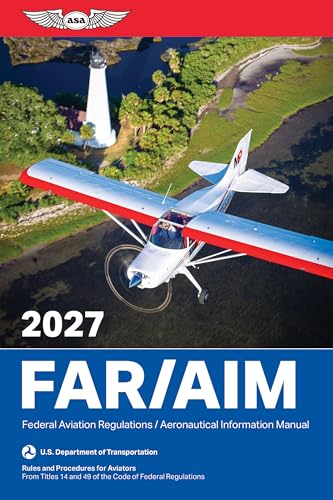
If you’re studying for a US certificate, keep the current regulations to hand. The 2027 edition of ASA’s FAR/AIM includes MOSAIC phase one. Its regulatory text is current to 5 May 2026, so the July 2026 phase-two changes come through ASA’s free update service instead.
Headed for the circuit soon? Our pick of aviation headsets under $500 for student pilots is worth a look too.
Frequently asked questions
Can a sport pilot carry three passengers in a 172?
No. The aircraft can have four seats, but a sport pilot can still carry only one passenger.
Do I need a medical to fly as a sport pilot?
Not for day flying. A valid US driver’s licence is enough, as before. Night flying needs extra training, an instructor endorsement and BasicMed or at least a third-class medical.
Is there an official list of aircraft sport pilots can fly?
Not yet. The FAA hasn’t published one, and AOPA has collected manufacturer data where it can get it. Check the VS1 in KCAS in the aircraft’s FAA-approved documents.
Where can I read the FAA’s own guidance?
Start with the FAA’s sport pilot page, which links to Advisory Circular AC 61-146. AOPA’s MOSAIC explained FAQ is a clear plain-English summary.
Do you run a flight school or light-sport maintenance shop?
Pilots use AviatorFinds to find schools, clubs and maintenance providers. Make sure your business is listed with accurate details.
Official sources
- Federal Register: MOSAIC final rule (24 July 2025)
- FAA: Modernization of Special Airworthiness Certification (MOSAIC)
- FAA: MOSAIC fact sheet
- FAA: FAQ for manufacture and certification of light-sport category aircraft
- 14 CFR Part 61 Subpart J: sport pilots (61.315 and 61.316)
- 14 CFR Part 22: light-sport category aircraft
- FAA: Sport pilot certificate
- FAA Advisory Circular AC 61-146
- AOPA: MOSAIC explained FAQ
- AOPA: Post-MOSAIC guidance for sport pilots updated
- ASA: FAR/AIM Series updates
Further reading
- How to Become a Private Pilot: Lessons Learned and Beginner Tips
- Buying Your First Aircraft: Brokers, Pre-Buy Inspections and Hidden Costs
- How to Choose an Aircraft Maintenance Shop or Avionics Installer
- Best Aviation Headsets Under $500 for Student Pilots
- Cessna 172 Skyhawk: The Complete History
- Runway Markings, Signs and Lighting Explained
- What It’s Like to Train for a Private Pilot Licence in the UK
This article summarises the regulations as published. It isn’t legal or training advice: always check the current rules and talk to your instructor before you fly.
Affiliate disclosure: AviatorFinds participates in affiliate programmes, including Amazon Associates. Some links on this page are affiliate links, which means we may earn a commission from qualifying purchases at no additional cost to you. As an Amazon Associate I earn from qualifying purchases.