Advertisement – Recommended Aviation Gear

Buying your first aircraft is exciting, and it is easy to focus on the purchase price and forget everything that comes after it. This guide walks through the whole process for first-time buyers in the US and the UK: budgeting for the true cost of ownership, deciding whether to use a broker, getting a proper pre-buy inspection, checking logbooks and paperwork, and the registration, title, financing and insurance basics.
We deliberately don’t quote typical prices or running costs here: they vary enormously by aircraft type, age, location and how much you fly. Get real quotes for your situation.
Starting your search? Browse Sales, Leasing, Rental & Brokerage in the AviatorFinds directory to find brokers, dealers and leasing providers. Then use Aircraft Maintenance & Services to find an independent engineer or shop for your pre-buy inspection.
🎙 Listen to the Podcast Version:
Prefer listening? Stream this guide as part of Runway Talk, the official AviatorFinds aviation podcast.
⏱ Duration: 5 minutes
Step 1: Budget for the total cost of ownership
The purchase price is a one-off. The running costs continue for as long as you own the aircraft. Before you start viewing aircraft, list every cost category and get real quotes for the ones that apply to you:
- Hangarage or parking. Hangar space, tie-down or outdoor parking. Availability varies widely, so check before you buy, not after.
- Insurance. Liability cover and, usually, hull cover. Premiums depend on the aircraft, its value, your experience and how you use it.
- Scheduled maintenance. Annual inspections and any other required inspections, plus the defects they find.
- Maintenance reserves. Money set aside every flying hour towards big future items such as engine and propeller overhaul, so they don’t arrive as a shock.
- Unscheduled maintenance. Things break. A contingency fund for repairs is essential, especially on older aircraft.
- Fuel and oil. These scale with the hours you fly.
- Avionics databases, charts and subscriptions. Navigation database updates, apps and electronic charts.
- Fees. Landing and parking fees, registration, and membership of type clubs or owner associations.
- Training. Differences training or a checkout on the new type, and any insurance-required instruction.
- Upgrades. Avionics, interior or other improvements you plan to make.
- Taxes. Sales, use or import taxes may apply depending on where you buy and base the aircraft. Take professional advice.
Consider sharing. Co-ownership or a flying group can spread fixed costs. In the UK, the CAA recommends registering as a group (co-ownership syndicate) when there are three or more owners, with one or two owners nominated as trustee(s), so members can join or leave without re-registering. Non-equity groups cannot be registered this way. See its group ownership guidance. Whatever the structure, put a written agreement in place covering costs, scheduling, maintenance decisions and how members leave.
Step 2: Using a broker vs buying privately
There is no single right answer. It depends on your experience, the aircraft and how much of the legwork you want to do yourself.
Buying through a broker or dealer
- Pros: access to aircraft that may not be publicly advertised; help with valuation, negotiation, paperwork and logistics; and, with a reputable firm, an extra layer of accountability.
- Cons: a broker is paid, so understand who pays the commission and whose interests they represent. Many brokers act for the seller.
- Ask: Who do you represent in this transaction? How are you paid? Will you hold deposits in a client or escrow account? Can I choose my own pre-buy inspector?
Buying privately
- Pros: direct contact with the owner, who often knows the aircraft’s history intimately; no broker margin.
- Cons: you handle valuation, due diligence, contracts and payment security yourself.
- Protect yourself: use a written purchase agreement. Consider an escrow or similar service for funds and documents, and take legal advice on larger purchases.
Step 3: The pre-buy inspection
A pre-buy (or pre-purchase) inspection is the single most important step in buying a used aircraft. It is your chance to discover expensive problems before they become your problems.
- Use an independent inspector. Choose an engineer or shop that is not connected to the seller and, ideally, knows the type well.
- Agree the scope in writing. A pre-buy is not automatically the same as an annual inspection. Decide with your inspector what will be checked: airframe and corrosion, engine condition, propeller, avionics function, control systems and a thorough records review.
- Agree who pays and what happens next. Normally the buyer pays for the pre-buy. Agree in advance how findings will be handled: price renegotiation, the seller fixing defects, or walking away.
- Include a test flight where practical, with the seller or a qualified pilot, to check systems and handling.
- Get a written report with photos, and keep it with your records.
For tips on choosing the right engineer or shop, see our guide on how to choose an aircraft maintenance shop. Or go straight to Aircraft Maintenance & Services in the directory.
Step 4: Logbooks and paperwork
An aircraft’s value depends heavily on its records. Missing or inconsistent paperwork can reduce value, ground the aircraft or make it unsellable later.
What to look for (US)
Under 14 CFR 91.417, the records an owner must keep, and transfer with the aircraft when it is sold, include:
- the total time in service of the airframe, each engine, each propeller and each rotor;
- the current status of life-limited parts;
- the time since last overhaul of items required to be overhauled on a specified time basis;
- the current inspection status of the aircraft;
- the current status of applicable airworthiness directives (ADs), including the method of compliance; and
- copies of the FAA forms recording each major alteration.
Check that the annual inspection is current under 91.409. Look for unexplained gaps, entries that don’t add up, damage history, and major repairs or alterations without supporting paperwork.
What to look for (UK)
- The aircraft’s Certificate of Airworthiness or Permit to Fly, and its current validity. The CAA notes that registration is separate from the C of A or Permit to Fly.
- For aircraft within the scope of Part-ML, a valid Airworthiness Review Certificate (ARC) and a Part-ML-compliant maintenance programme. See the CAA’s Part-ML page.
- Complete aircraft, engine and propeller logbooks, worksheets and certificates of release to service, together with records of modifications and repairs.
Step 5: Registration and title basics
United States
- Registration: the FAA’s Register an Aircraft page explains that you send an Aircraft Registration Application (AC Form 8050-1), evidence of ownership such as a bill of sale, and the $5.00 registration fee. Under 14 CFR 47.31, the standard evidence of ownership is the Aircraft Bill of Sale, AC Form 8050-2.
- Temporary authority: for an aircraft last previously registered in the US, 47.31 allows the second copy of the registration application to be carried in the aircraft as temporary authority to operate within the US, subject to conditions and time limits.
- Renewal: under 47.40, a Certificate of Aircraft Registration expires seven years after the last day of the month in which it was issued.
- Title: the FAA describes clear title as having no unreleased mortgage, security agreement, tax lien, artisan lien or similar document on record. The FAA’s Aircraft Registration Branch does not perform title searches. You can review the records yourself, or use an attorney or aircraft title search company. You can check registration details with the FAA Aircraft Inquiry search and request copies of aircraft records.
United Kingdom
- Registered owner is not legal owner: the CAA states that the UK Register of Civil Aircraft is not a register of legal ownership, and registration does not confirm legal title. Check the registered owner on G-INFO, but don’t rely on it alone.
- Chain of ownership: if you are buying from someone other than the registered owner, the CAA advises making sure you can identify a full chain of ownership from the last registered owner to the seller.
- Mortgages: the CAA advises buyers to search the UK Register of Aircraft Mortgages before completing a purchase.
- Re-registration: the CAA says it is the new owner’s responsibility to re-register the aircraft in their own name within 28 days, using the CA1 form, with proof of insurance or a declaration that the aircraft is not insured. The seller notifies the CAA of the transfer. See the CAA’s change of ownership guidance.
Step 6: Financing and insurance
Financing
Aircraft loans are available from specialist aviation lenders and some general lenders. Compare the deposit required, term, interest rate type, early repayment terms and any conditions on aircraft age, use or where it is based. Lenders usually take security over the aircraft and may require specific insurance. Arrange financing in principle before you make an offer, so you can move quickly when the right aircraft appears.
Insurance
Get insurance quotes before you commit. Premiums and conditions can vary significantly with your experience on type, and some insurers require additional training. In the UK, the CAA states that an aircraft must be insured before it can fly, and that minimum levels depend on the aircraft’s maximum take-off mass and the number of passengers carried. G-INFO shows an estimate of the minimum third-party insurance for UK-registered aircraft. See the CAA’s mandatory insurance requirements. In the US, check what your lender, hangar provider and home airport require, and take advice from an aviation insurance broker.
First-time buyer checklist
- Budget for total cost of ownership, not just the price.
- Line up hangarage, insurance quotes and financing before making an offer.
- Decide on broker or private purchase, and understand who represents whom.
- Commission an independent pre-buy inspection with a written scope.
- Review every logbook and record, including AD status and modification paperwork.
- Check registration, title, mortgages or liens.
- Use a written purchase agreement and secure payment arrangements.
- Complete registration paperwork promptly after purchase.
- Arrange training or a checkout on your new aircraft.
Further reading
These guides from ASA cover the buying and ownership process in more depth:

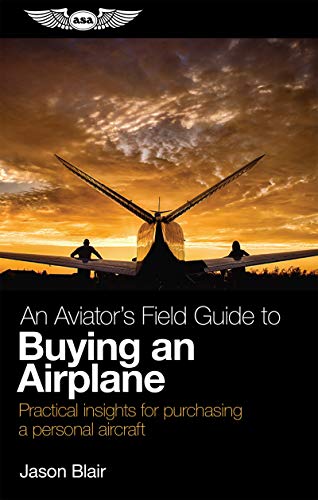
On the AviatorFinds blog, see also How to Choose an Aircraft Maintenance Shop and, if you fly a piston aircraft with passengers in the UK, our guide to carbon monoxide detectors.
Are you an aircraft broker, dealer or leasing company?
First-time buyers use AviatorFinds to find sales, brokerage and leasing providers. Make sure your business is listed with accurate details.
Ready to start looking?
Find brokers, dealers and leasing providers, line up an independent pre-buy inspector, and keep flying with a local school or club while you search.
Official sources
- FAA: Aircraft Registration
- FAA: Register an Aircraft
- FAA: Clear Title
- FAA: Aircraft Inquiry
- 14 CFR 47.31 and 47.40
- 14 CFR 91.417: maintenance records
- UK CAA: Change of ownership
- UK CAA: G-INFO data fields (register is not a register of legal ownership)
- UK CAA: Search for an aircraft mortgage
- UK CAA: Mandatory insurance requirements
- UK CAA: Group ownership of aircraft
- UK CAA: Part-ML
This guide is general information, not legal, financial or engineering advice. Requirements change: always check current FAA or CAA guidance and take professional advice for your purchase.
Affiliate disclosure: AviatorFinds participates in affiliate programmes, including Amazon Associates. Some links on this page are affiliate links, which means we may earn a commission from qualifying purchases at no additional cost to you. As an Amazon Associate I earn from qualifying purchases.