✈️ Why Pilots Love Modding the Skyhawk
The Cessna 172 might be the world’s most-built airplane, but no two Skyhawks are quite the same. Thanks to decades of STC-approved modifications (Supplemental Type Certificates), owners have turned the humble trainer into everything from short-field bush planes to slick touring machines.
Whether it’s about performance, looks, or nostalgia, 172 mods are a kind of aviation art — a way for pilots to give personality to the aircraft that taught the world to fly.
⚙️ What’s an STC and Why It Matters
In aviation, you can’t just bolt on parts and call it a day — at least, not legally.
An STC (Supplemental Type Certificate) is official FAA (or CAA) approval for a modification to an already-certified aircraft.

- UNPARALLELED COMFORT: The Bose A30 is a full-sized circumaural aviation headset with a lightweight design and 20% lower …
- PRECISION-FOCUSED NOISE CANCELLING MICROPHONE: The Bose A30’s microphone is engineered for aircraft with “hot mic” or PT…
- FAA TSO and EASA E/TSO-C139a CERTIFIED: The Bose A30’s robust design has passed 145 tests by the Bose engineering and qu…
As an Amazon Associate, AviatorFinds earns from qualifying purchases.
Each STC includes engineering, flight testing, and documentation proving the upgrade is safe and compatible. That’s why most popular 172 mods — from engine swaps to prop conversions — come through companies like Hartzell, Del-Air, or Power Flow Systems, who specialize in making legal, bolt-on improvements.
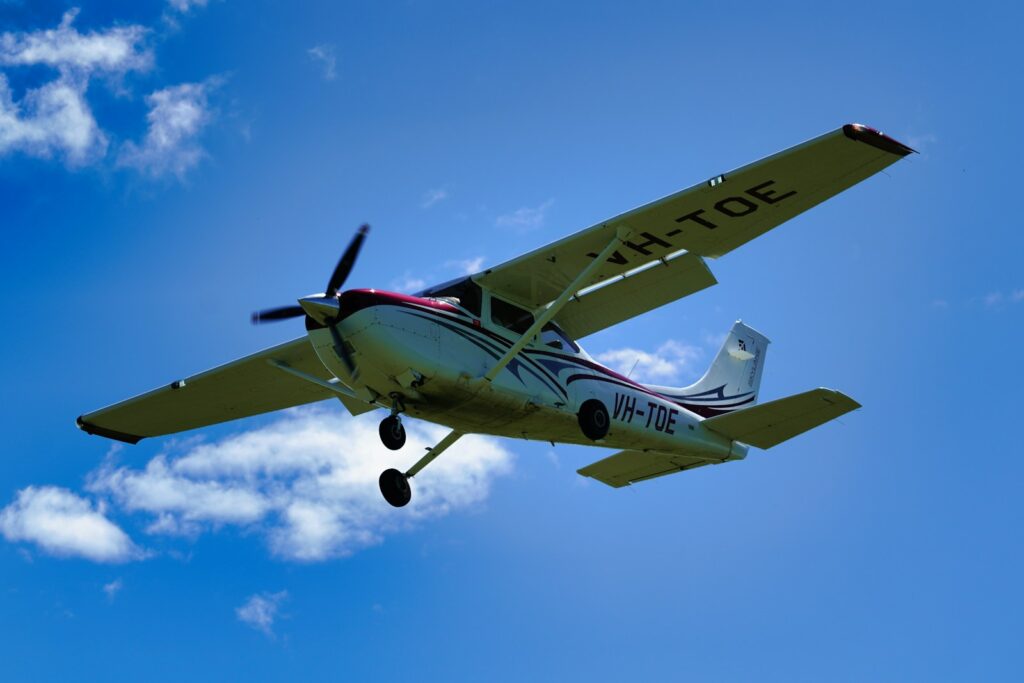
🌀 1. Propeller Upgrades: Performance Meets Style
Few mods change a 172’s character like a new prop.
Three-Blade Propeller Conversions
- Companies like Hartzell and McCauley offer “Top Prop” STCs that replace the standard two-blade with a three-blade constant-speed prop.
- The results? Better climb, smoother operation, less noise, and a sleeker look on the ramp.
- Pilots report a 3–5 knot increase in cruise speed and improved takeoff acceleration.
💡 Fun fact: Many pilots say the three-blade “makes a Skyhawk sound like a bigger airplane.”
Composite Props
- Lightweight composite props (MT-Propeller, for instance) reduce vibration and slightly improve fuel efficiency.
- The downside: higher initial cost and shorter overhaul intervals — but the ramp appeal is undeniable.
⚡ 2. Engine Upgrades: From Trainer to Hot Rod
The stock Lycoming IO-360 in modern Skyhawks delivers around 180 hp, but many older 172s started life with 145 hp or less.
Pilots craving more performance often go for an engine and prop combination STC.
180-Horsepower Conversions
- One of the most common and beloved upgrades.
- Improves climb rate, takeoff distance, and payload capacity — ideal for mountain or backcountry flying.
- Popular kits: Penn Yan Aero, Ly-Con, and Air Plains.
💬 Pilot verdict: “It’s still a 172 — just a hungrier, happier one.”
Constant-Speed Prop + Engine Upgrade Combo
Pairing a 180 hp Lycoming with a constant-speed prop gives you control over RPM and power output — turning the 172 into a pseudo-182.
- Great for short-field and density-altitude operations.
- Expect a climb rate around 1,000 ft/min and cruise speeds in the 125–130 knot range.
🌲 3. Taildragger Conversions: Back to the Roots
For pilots who want to trade the tricycle gear for nostalgia and off-field fun, the taildragger conversion is a head-turner.
- Del-Air and XP Mods offer STC kits to revert the 172 to a conventional landing gear layout — just like its ancestor, the Cessna 170.
- Benefits include better prop clearance, rugged field handling, and a vintage look that makes every arrival feel classic.
- Downsides? A bit trickier to land, higher insurance, and a loss of some cabin convenience — but that’s part of the charm.
🛞 Pro Tip: Pair this with tundra tires, vortex generators, and a short-field prop for the ultimate bush-plane Skyhawk.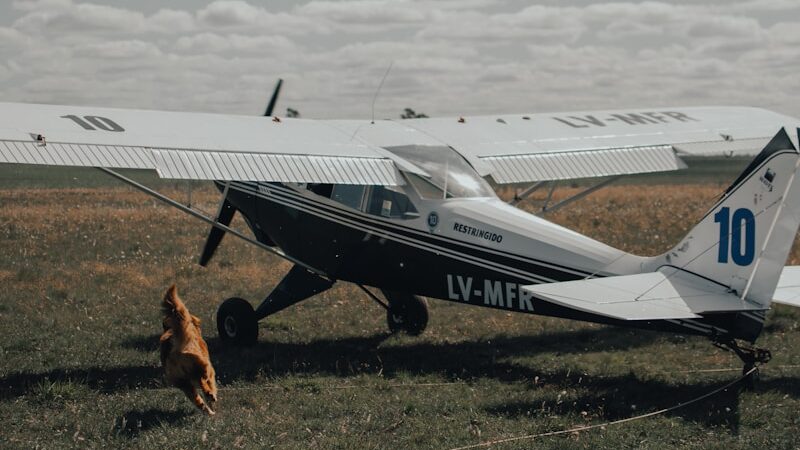
🚀 4. Power Flow Exhaust Systems
This one’s a “hidden gem.” The Power Flow Tuned Exhaust System replaces the stock muffler with a tuned design that improves airflow and engine efficiency.
- Adds 15–20 hp equivalent performance without changing the engine.
- Reduces cylinder head temps and improves climb rate.
- Lighter and easier to maintain than stock systems.
Many pilots call it the “poor man’s engine upgrade” — affordable, simple, and effective.
💺 5. Cabin Comfort & Avionics Upgrades
Inside the cockpit, comfort and tech mods make a huge difference in daily flying.
Interior & Ergonomics
- Modern seats with lumbar support and sound insulation upgrades reduce fatigue.
- LED interior lighting adds a clean, modern vibe.
- USB-C ports and digital fuel gauges bring 2025 convenience to a 1950s design.
Avionics Modernization
- Swap analog “steam gauges” for Garmin G5s, Aspen Evolution displays, or a full G1000 NXi retrofit.
- Add ADS-B In/Out, Bluetooth audio panels, and flight data recorders.
- Pair with your existing Aircraft Radios (see Aircraft Radios Explained →) to create a cockpit that rivals modern glass trainers.
💨 6. Experimental & Wild Builds
A few owners go even further — stretching what’s possible with creative engineering.
- Turboprop 172s: A handful of experimental conversions use small turbine engines like the TP100, offering over 300 hp.
- Diesel powerplants: Thielert and Continental CD-155 STCs allow Jet-A use, perfect for regions without avgas.
- Floatplane and ski conversions: Popular in Alaska and Canada — because what’s more fun than landing a Skyhawk on a glacier?
These rare builds might not make sense financially, but they’re proof of how endlessly adaptable the Skyhawk design really is.
📊 Typical Costs (Approximate)
| Upgrade | Typical Cost Range | Benefit |
|---|---|---|
| 3-Blade Prop Conversion | $10,000–$16,000 | Better climb, smoother ride |
| 180 hp Engine Upgrade | $25,000–$35,000 | Power boost, short-field performance |
| Taildragger Conversion | $18,000–$25,000 | Backcountry capability, classic feel |
| Power Flow Exhaust | $5,000–$7,000 | +15 hp efficiency gain |
| G5 / G1000 Avionics Retrofit | $10,000–$40,000 | Modern cockpit and automation |
| Interior & LED Upgrades | $3,000–$8,000 | Comfort and aesthetics |
🧭 Why These Mods Matter
Modifying a Cessna 172 isn’t just about numbers — it’s about identity.
Some pilots want a rugged Skyhawk for adventure; others crave speed, comfort, or tech.
No other aircraft offers this mix of reliability and flexibility.
The result?
A single aircraft type that can be reborn as a trainer, cruiser, or bush machine — depending entirely on the pilot’s imagination.
📎 Related Reading
🛫 Cessna 172 Skyhawk — The Complete History and Pilot’s Guide
🛫 Learn to Fly in the Cessna 172
💬 Final Thoughts
The Cessna 172 has trained generations of pilots, but its story doesn’t end at the flight school gate. With the right STCs and imagination, it becomes your airplane — unique, upgraded, and capable of nearly anything.
Whether you’re chasing short-field thrills, modern glass avionics, or simply a more comfortable weekend flyer, the Skyhawk proves that even after 70 years, the best-selling airplane in history still has room to evolve.