Airshows are much more than just thrilling spectacles—they are living showcases of aviation’s rich history, cutting-edge technology, and the passionate community that brings it all to life. For aviation enthusiasts, airshows are the ultimate playground, blending breathtaking aerial displays with hands-on experiences and a deep dive into the evolution of aircraft technology. Here’s why airshows are so much fun, and how they brilliantly highlight the progress of aviation through the decades.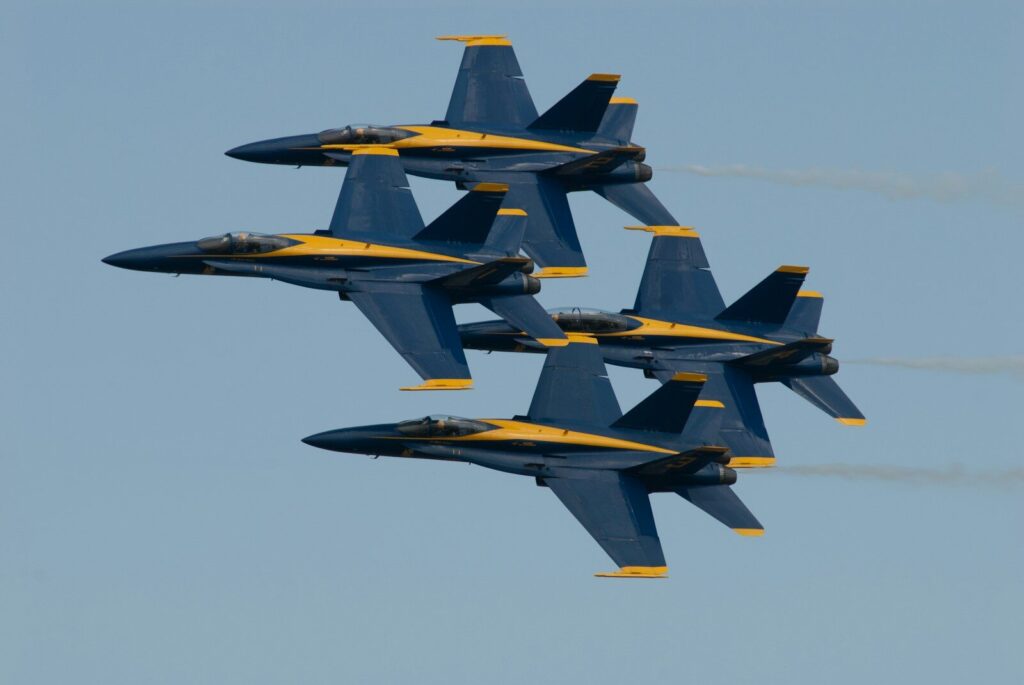
Must-See Modern Airshow Highlights
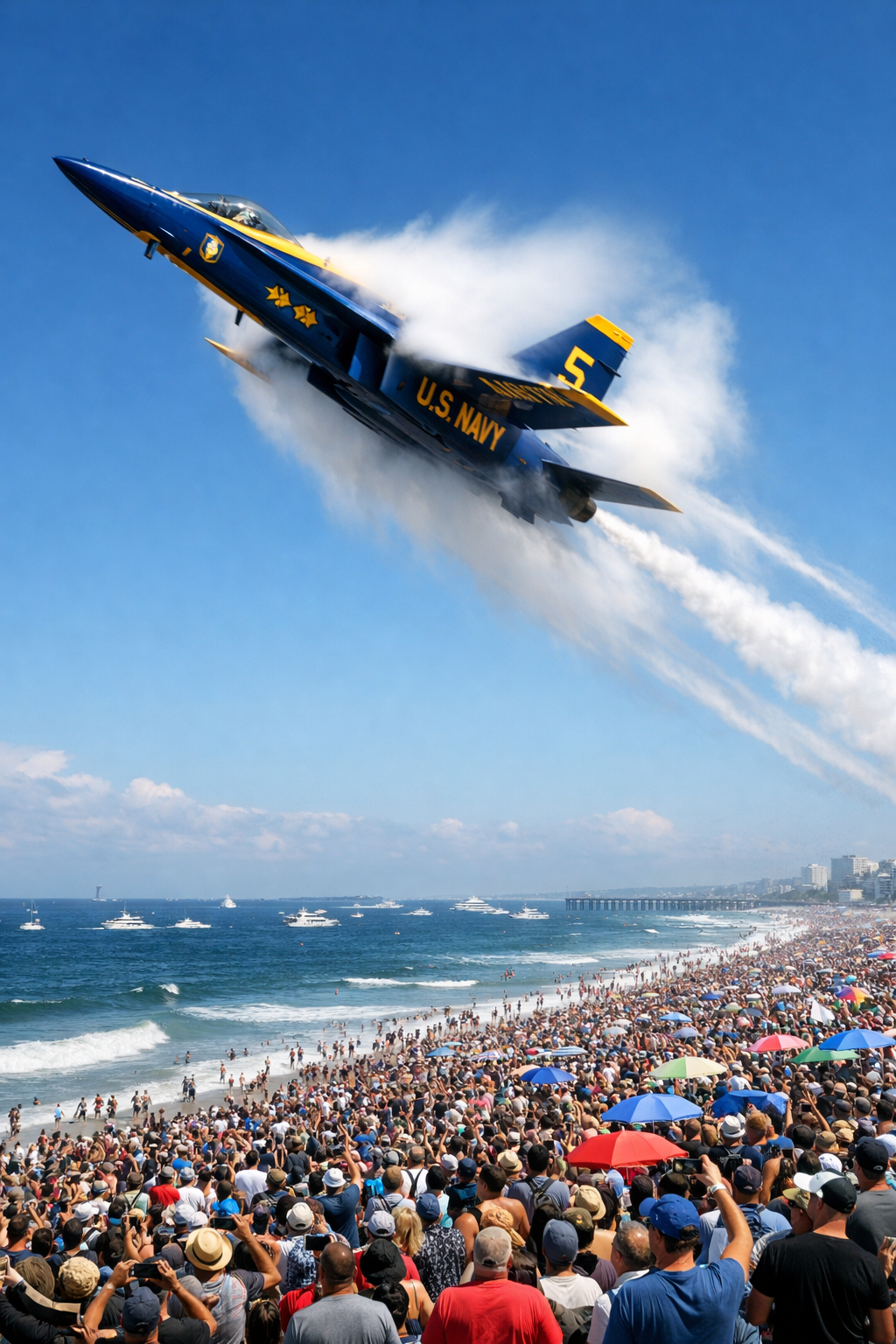
Nothing captures the imagination quite like watching pilots perform jaw-dropping maneuvers in the sky. Airshows turn the sky into a stage for some of the most skilled aviators in the world.
Why It’s Fun:

- FIVE STAR COMFORT: Embark for every journey sporting maximum comfort. Our over the ear headphones are constructed for a …
- FIVE BY FIVE COMMS: We understand reliable communication is key for safety. Our noise canceling headset with a microphon…
- EXCEPTIONAL QUALITY: Invest in your future. Aviation headsets for pilots are essential aviation tools that should be bui…
As an Amazon Associate, AviatorFinds earns from qualifying purchases.
- Heart-Pounding Stunts: Watch loops, barrel rolls, and death-defying dives that leave you breathless.
- Team Formations: Marvel at precision flying as teams like the Blue Angels or Red Arrows fly wingtip to wingtip.
- Smoke Trails & Pyrotechnics: Enjoy colorful smoke trails, fireworks, and synchronized routines that add drama and artistry.
- Narrated Performances: Many shows feature live commentary, so you can learn about the maneuvers and aircraft as you watch.
The Origins & Evolution of Airshows
Airshows are unique in that they bring together aircraft from every era, letting you witness the evolution of aviation firsthand.
How Airshows Showcase Technology:
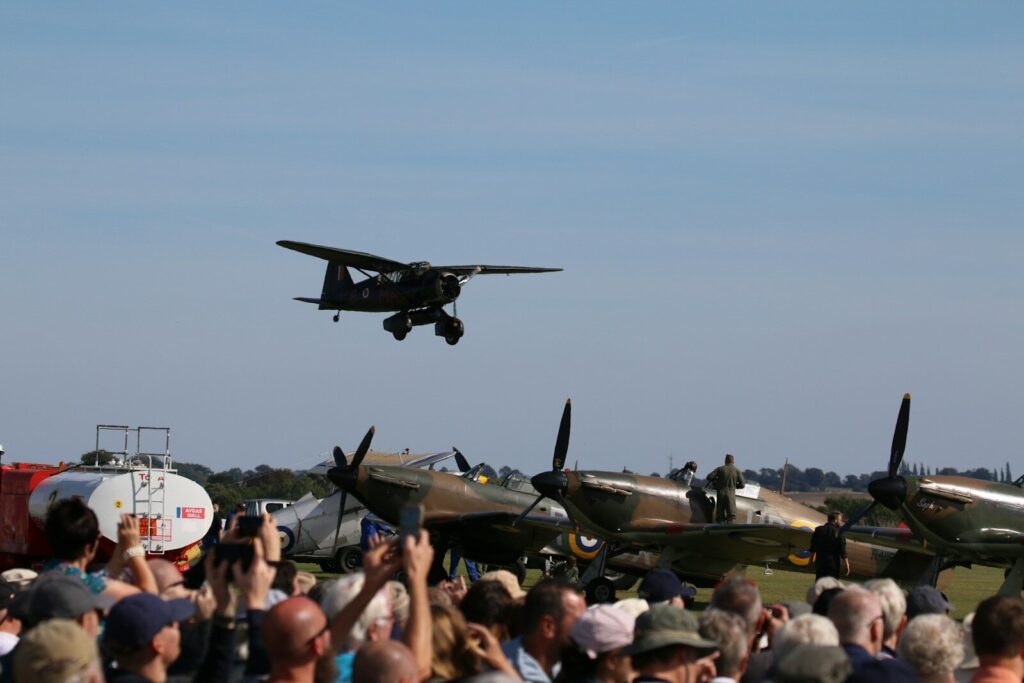
- Vintage vs. Modern: See classic biplanes, WWII warbirds, and Cold War jets alongside state-of-the-art fighters like the F-35 or Eurofighter Typhoon.
- Side-by-Side Comparisons: Walk the flight line to compare the size, design, and technology of aircraft from different generations.
- Live Demonstrations: Experience the difference as vintage planes perform elegant, slower routines, while modern jets roar by with high-speed, high-G maneuvers.
- Spotlight on Innovation: Discover electric and hybrid aircraft, drones, and sustainable aviation solutions making their debut at major shows.
Iconic Aerobatic Teams & Warbirds
Airshows aren’t just about watching—they’re about doing and learning. They offer hands-on experiences for curious minds of all ages.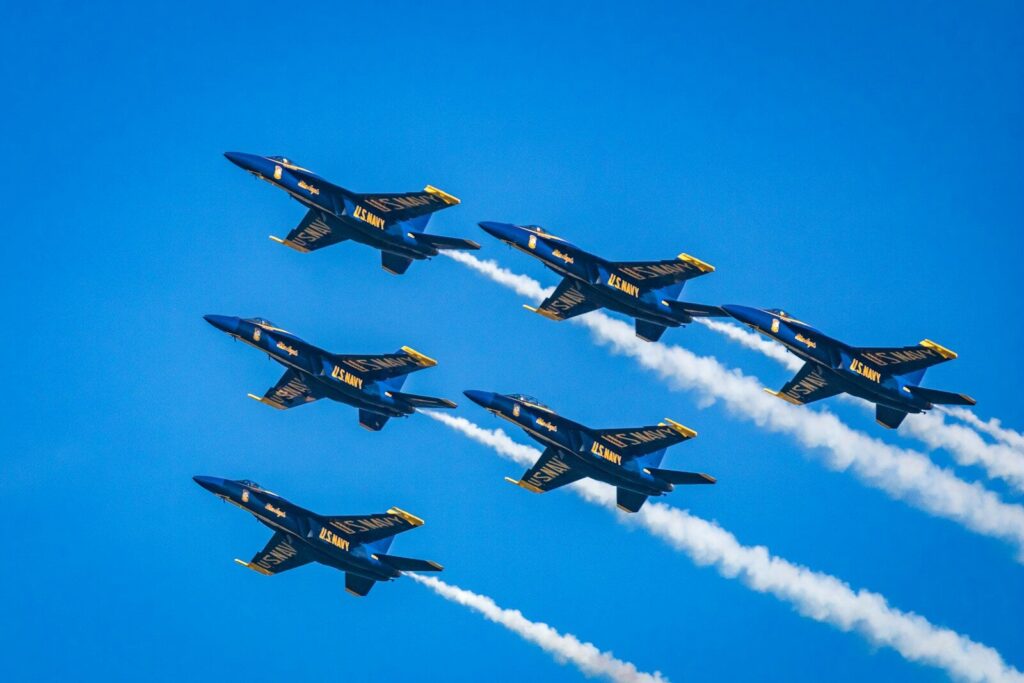
What You Can Do:
- Flight Simulators: Try your hand at flying with realistic simulators—no license required!
- STEM Zones: Explore science and engineering exhibits, from virtual reality cockpits to drone demos.
- Workshops & Talks: Attend seminars by legendary pilots, engineers, and industry experts.
- Meet the Makers: Chat with pilots, mechanics, and innovators who keep these incredible machines flying.
Community and Camaraderie
There’s a special magic in sharing your passion with others who “get it.” Airshows are a gathering place for aviation lovers from around the world.
What Makes the Community Special:
- Meet Fellow Enthusiasts: Swap stories, tips, and trivia with pilots, historians, and fans.
- Family-Friendly Atmosphere: Enjoy activities for kids, food trucks, and shaded picnic areas—fun for the whole family!
- Aviation Celebrities: Get autographs or selfies with famous pilots and aviation legends.
- Merch & Memorabilia: Shop for model airplanes, flight jackets, and rare aviation collectibles.
Honoring the Past, Inspiring the Future
Airshows pay tribute to aviation’s storied past while fueling excitement for what’s next.
How They Inspire:
- Historic Reenactments: Watch mock dogfights and formation flights that recreate iconic moments in aviation history.
- Tribute Flights: See legendary planes like the Spitfire, Mustang, or B-17 take to the skies once more.
- Innovation Showcases: Check out the latest in green aviation, autonomous flight, and futuristic aircraft.
- Encouraging Young Aviators: Many shows have programs to inspire the next generation of pilots and engineers.
Why Airshows Are Unforgettable
For aviation enthusiasts, airshows are a celebration—a chance to see, hear, and feel the power of flight up close. They blend history, technology, and community into an experience that’s as educational as it is exhilarating.
In Summary:
- Nonstop Action: From sunrise balloon launches to sunset aerobatics, there’s always something happening.
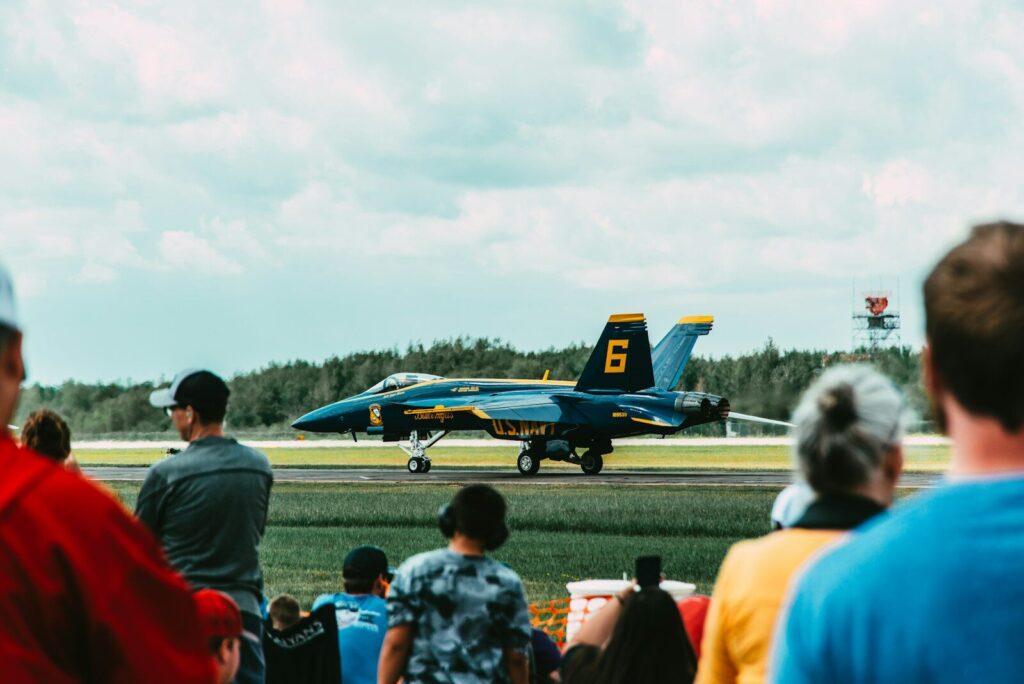
- Up-Close Access: Get closer to aircraft and pilots than you ever could at an airport or museum.
- Memories That Last: Whether you’re awed by a stealth bomber’s flyby or inspired by a young pilot’s first solo, airshows create moments you’ll never forget.
Tips for First-Time Airshow Visitors
- Oldest Flyable Planes: The Blériot XI, built in 1909, is among the oldest aircraft still able to fly today, preserved at collections like the Shuttleworth Collection (UK) and Old Rhinebeck Aerodrome (US). Imagine seeing a plane from the dawn of aviation still soaring the skies!
- Historic Milestones: The Spirit of St. Louis carried Charles Lindbergh on the first solo nonstop transatlantic flight in 1927, a 33.5-hour journey that revolutionized aviation and sparked a boom in pilot licenses and commercial air travel.
- Warbirds with Stories: The Douglas DC-3, introduced in 1936, transformed air travel by enabling coast-to-coast flights with fewer stops. Its military variant was crucial during WWII, dropping troops at Normandy on D-Day.
- Technological Pioneers: The Boeing B-29 Superfortress featured innovations like a pressurized cabin and remote-controlled gun turrets, and later became the first aircraft to fly nonstop around the world.
- Unique Designs: Burt Rutan’s VariEze kit plane introduced canard wings and winglets, making it spin-resistant and highly popular among amateur builders. This design legacy led to SpaceShipOne, the first private suborbital spaceplane.
- Maintenance as a Hobby: Owning and flying vintage aircraft is like two hobbies in one—piloting and mechanical restoration—requiring deep knowledge of older technologies to keep these classics airworthy.
Fun Facts About Modern Jets
- Jet Age Beginnings: The first jet-powered flight was in 1939 with Germany’s Heinkel He 178, proving jet propulsion could work and paving the way for supersonic speeds.
- Breaking the Sound Barrier: In 1947, Chuck Yeager flew the Bell X-1 faster than sound for the first time, a milestone that pushed military aviation into a new era of speed and performance.
- Four Engines to Two: Early commercial jets like the de Havilland Comet and Boeing 707 had four engines because twin-engine jets were limited in range and safety. Today’s twinjets are far more efficient and reliable.
- Long-Lived Workhorse: The Lockheed C-130 Hercules, in production since 1954, is the most versatile military aircraft ever, serving roles from troop transport to gunship and aerial refueling, with over 1.2 million flight hours logged.
- Advanced Cockpits: The Gulfstream G500 business jet features a fly-by-wire side-stick controller with tactile feedback, touchscreen flight decks, and in-house designed wings for improved comfort and efficiency.
- Fifth-Generation Fighters: The F-35 Lightning II represents the cutting edge of military aviation with stealth, advanced sensors, and multirole capabilities, though its development has been costly and controversial.
Adding these fun facts will enrich your article by connecting readers emotionally to the machines and milestones that define aviation’s past and future, making airshows even more fascinating for enthusiasts.
Further reading
- https://simpleflying.com/the-evolution-of-the-airplane/
- https://science.howstuffworks.com/transport/flight/classic/classic-airplanes.htm
- https://www.planeandpilotmag.com/article/plane-facts-oldest/
- https://www.popularmechanics.com/flight/g2142/the-30-most-important-airplanes-of-all-time/
Final Approach
Whether you’re chasing the rumble of radial engines or scouting the future of electric VTOLs, Oshkosh AirVenture promises a week of jaw‑dropping aviation moments. If this guide helps you plan, share it with a fellow avgeek for more flight‑fuelled stories.
Blue skies, tailwinds, and see you on the flight‑line! ✈️
Related reading on airshows
✈️ Farnborough Airshow 2026 Guide →